When we think of travel, bustling cities and famous landmarks often take the spotlight. But beyond the well-trodden tourist trails, there are countless small towns around the world, each brimming with charm, history, and character. These lesser-known destinations offer a more intimate and authentic experience, where you can connect with local culture, savor regional cuisine, and soak in the beauty of places that time seems to have forgotten. Here are some unexplored small towns with unique charm that should be on your travel radar.
1. Colmar, France:.jpeg)
.jpeg)
Tucked away in the Alsace region, Colmar looks like something straight out of a fairy tale. With its half-timbered houses, cobblestone streets, and winding canals, the town is often referred to as “Little Venice.” While France’s bigger cities attract most visitors, Colmar offers a more peaceful, romantic atmosphere. It’s a perfect destination for those looking to experience a picturesque medieval town without the crowds. The town’s wine-growing tradition also makes it a fantastic spot for sampling the region’s famous Alsatian wines.
Why it’s special: Colmar’s blend of French and German influences, stunning architecture, and canal-side cafes make it a charming destination for art and history lovers.
2. Lavenham, England
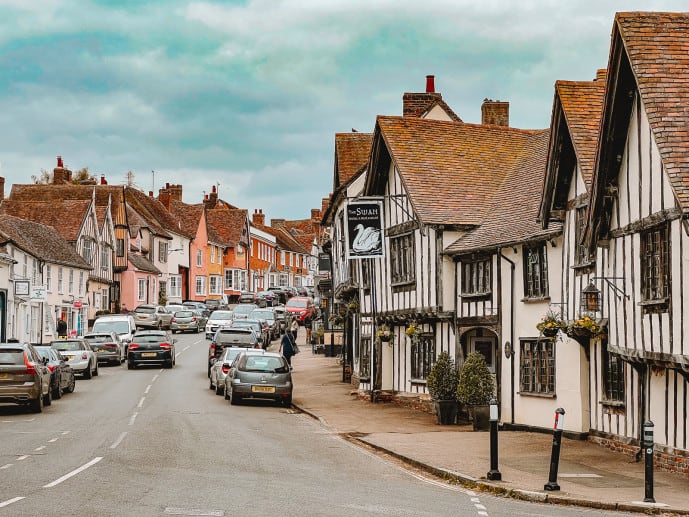
Often overlooked by tourists, Lavenham is one of England’s best-preserved medieval villages. Located in the Suffolk countryside, this town is famous for its crooked half-timbered houses, some of which are over 500 years old. Wandering through Lavenham’s narrow streets feels like stepping back in time. With its quaint tea rooms, traditional pubs, and local artisan shops, the town offers a relaxing escape from the hustle and bustle of modern life.
Why it’s special: The well-preserved medieval architecture and peaceful countryside setting make Lavenham a hidden gem for history enthusiasts.
3. Hallstatt, Austria

Nestled between a pristine alpine lake and soaring mountains, Hallstatt is one of Austria’s most beautiful yet lesser-known towns. Its picture-perfect setting, combined with a rich history dating back to prehistoric times, makes Hallstatt a fascinating destination. The town’s salt mines, one of the oldest in the world, can be toured, and visitors can also explore ancient cemeteries and charming village squares. Despite its growing popularity, Hallstatt still retains a peaceful, fairy-tale-like atmosphere.
Why it’s special: Hallstatt’s stunning lakeside views, historic sites, and outdoor activities make it a perfect destination for nature and history lovers alike.
4. Giethoorn, Netherlands

Known as the “Venice of the North,” Giethoorn is a small town in the Dutch province of Overijssel where cars are virtually non-existent. Instead, the town is crisscrossed by canals, and residents travel by boat, bike, or on foot. The thatched-roof houses, wooden bridges, and tranquil waterways make Giethoorn feel like a step back to a simpler, slower-paced time. Visitors can rent a boat to explore the town from the water or wander along the quiet streets to enjoy its peaceful charm.
Why it’s special: Giethoorn’s unique canal-based infrastructure, combined with its serene and picturesque setting, offers a tranquil escape from modern life.
5. Matera, Italy

Matera, located in southern Italy, is one of the world’s oldest continuously inhabited towns, yet it remains largely unexplored by mainstream tourism. The town is famous for its ancient cave dwellings, known as “Sassi,” which were carved into limestone cliffs thousands of years ago. Today, these caves house everything from cozy restaurants to boutique hotels, blending history with modern comforts. Matera’s labyrinthine streets, stone churches, and stunning views of the surrounding countryside make it a magical destination for those seeking something off the beaten path.
Why it’s special: Matera’s fascinating cave dwellings, historical significance, and unique architecture make it a truly unforgettable destination.
6. Alberobello, Italy

Located in the Puglia region of Italy, Alberobello is known for its unique "trulli" houses—whitewashed stone buildings with conical roofs. These whimsical structures give the town a fairy-tale quality, unlike anything you’ll find elsewhere in Italy. The town has been designated a UNESCO World Heritage site due to its architectural significance, but it remains relatively undiscovered by international tourists. Strolling through Alberobello’s narrow streets, lined with charming trulli, feels like walking through a storybook.
Why it’s special: Alberobello’s quirky trulli houses and peaceful atmosphere make it a unique and enchanting place to visit.
7. Sighisoara, Romania

Sighisoara is one of Europe’s best-preserved medieval towns, yet it remains a hidden gem compared to more famous destinations. Located in the heart of Transylvania, Sighisoara is often associated with the legend of Dracula, as it was the birthplace of Vlad the Impaler. The town’s colorful buildings, clock tower, and cobbled streets make it a charming and atmospheric destination. Visitors can explore the old citadel, climb to the top of the clock tower for panoramic views, and visit historic churches.
Why it’s special: Sighisoara’s medieval charm, vibrant streets, and fascinating history tied to the Dracula legend make it a perfect destination for history buffs and folklore enthusiasts.
8. Eze, France
.jpeg)
Perched on a hilltop overlooking the French Riviera, Eze is a small medieval village with breathtaking views of the Mediterranean Sea. Its winding stone streets, flower-filled gardens, and historic buildings make it one of the most beautiful villages in the south of France. While the Riviera’s glitzy cities like Nice and Monaco attract the most attention, Eze offers a quieter, more tranquil experience. Visitors can explore the town’s botanical gardens, visit its ancient church, and enjoy the spectacular views from the castle ruins at the top of the village.
Why it’s special: Eze’s combination of medieval charm, panoramic views, and Mediterranean atmosphere make it a hidden jewel on the French Riviera.
9. Mougins, France

Mougins, located in the hills above Cannes, is a picturesque French town that combines old-world charm with a vibrant art scene. Its narrow streets are lined with art galleries, gourmet restaurants, and flower-filled courtyards. Mougins was a favorite retreat for artists like Picasso, who spent the last years of his life here. The town’s medieval architecture, charming squares, and peaceful atmosphere make it a perfect destination for those seeking a quiet retreat away from the crowds of the French Riviera.
Why it’s special: Mougins’ artistic heritage, combined with its beautiful setting and culinary delights, make it a perfect destination for foodies and art lovers.
10. Chefchaouen, Morocco

Hidden in the Rif Mountains of northern Morocco, Chefchaouen is famous for its blue-washed buildings, giving the town an otherworldly appearance. The peaceful streets of the medina, where the walls are painted in varying shades of blue, make it one of the most picturesque towns in the country. Chefchaouen is less busy than Morocco’s larger cities, allowing visitors to fully immerse themselves in its serene atmosphere. The surrounding mountains also offer opportunities for hiking and exploring the natural beauty of the region.
Why it’s special: Chefchaouen’s striking blue streets and relaxed vibe make it a unique and visually stunning destination.
Why Explore These Small Towns?
While big cities often steal the spotlight, small towns offer a more intimate and authentic experience. These hidden gems allow you to slow down, connect with local traditions, and explore unique cultural and historical landscapes. Whether you're wandering through medieval streets, admiring quaint architecture, or simply enjoying a quiet moment in a picturesque village square, these unexplored small towns offer something truly special for the curious traveler. Next time you plan a trip, consider stepping off the beaten path and discovering the quiet magic of these charming destinations.
- Get link
- X
- Other Apps
- Get link
- X
- Other Apps
Comments
Post a Comment